Key takeaways
- Heidelberg sits on the Yarra. The lower streets and the older blocks toward the river stay cooler and wetter than a hill suburb with the same rainfall.
- Lower ground near the river, and the shaded slopes that fall toward it, change the drying time.
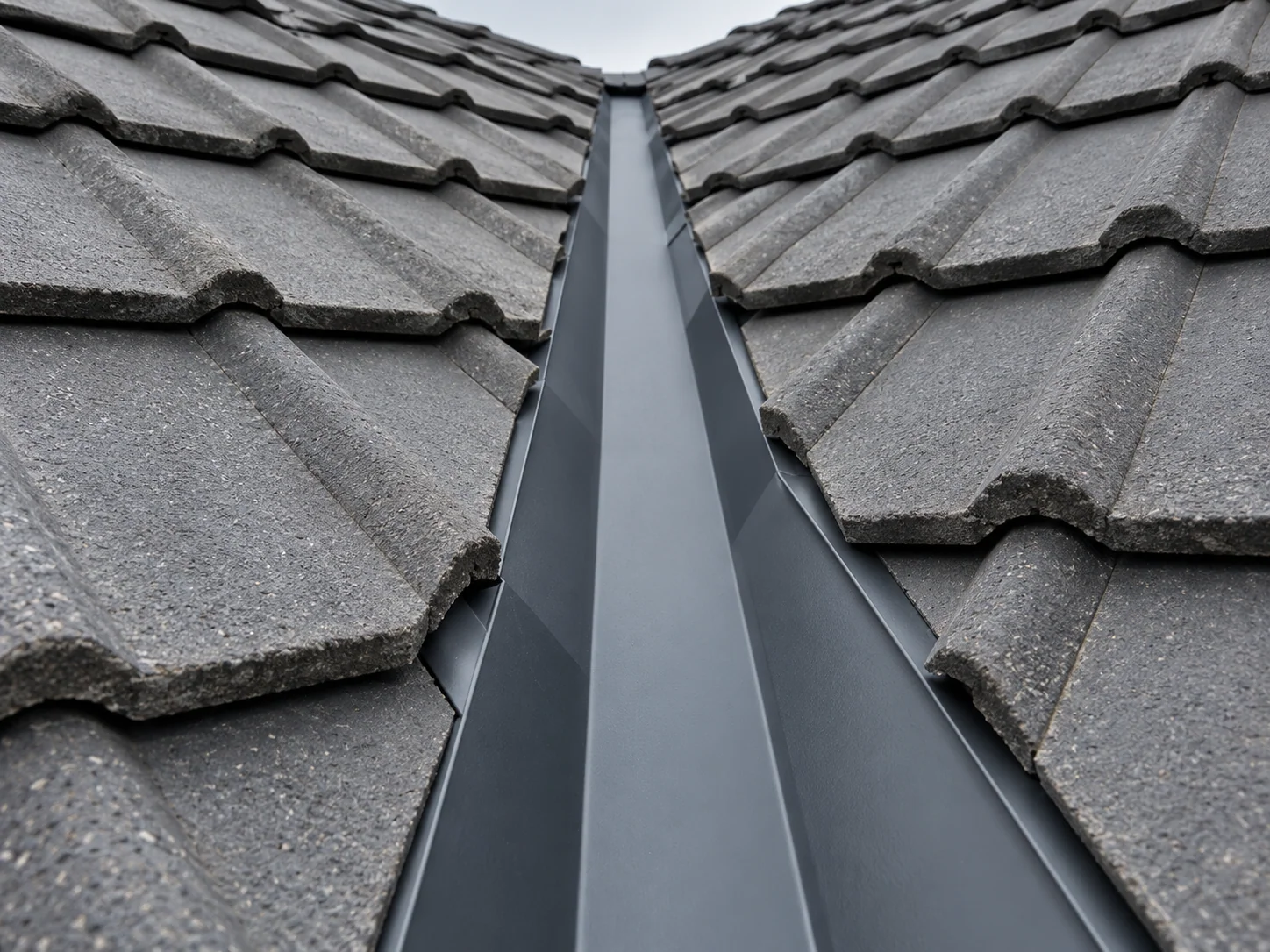
- The canopy is part of the roof’s job description. Fine leaf fills a valley.
General guidance for Melbourne roofs. The written scope after an assessment decides the work.

The short version
Heidelberg sits on the Yarra. The lower streets and the older blocks toward the river stay cooler and wetter than a hill suburb with the same rainfall. Elms, planes and eucalypts drop leaf and the odd limb onto roofs that are already old enough to have tired mortar. The tile under that canopy is not one generation. Some houses still have inter-war terracotta. Many post-war and later streets are concrete. A repair that ignores any of those three will clean a gutter and leave the path, or coat a roof that only needed a valley. The repair service is roof repairs in Melbourne.
Expect the quote to say which tile you have, which valley or ridge is open, and whether the trees caused overflow onto a sound roof or damage to the iron and the units. A local repair stays local. If every ridge has failed and the tiles are still hard, the note can move to a restore, planned around $4,000–$12,000 for a standard home. If the body or the sarking is finished, replacement commonly starts from about $20,000. The river does not set that price. The roof does.
River flats and a roof that stays wet
Lower ground near the river, and the shaded slopes that fall toward it, change the drying time. A south pitch under trees can hold moisture between rains. Moss establishes. Bedding that would have lasted longer in full sun powders where it never quite dries. Metal in a valley spends longer wet. None of this is a flood story, and we will not write your address as if the Yarra is in the ceiling. It is a drying story. The repair still has to close a specific opening. Damp is why that opening appeared sooner, and why a coating over the top of it will not be the fix.
We look at the roof space when it is safe. A single damp patch under a valley matches a valley repair. Sarking that is tired across the whole shaded face tells us the field has been wet as a field. Those are different invoices. Heidelberg owners sometimes get one invoice for both because the house “feels damp”. Feelings are fair. The scope follows the timber and the tile. If the house is damp for reasons under the floor, that is not a roof repair, and we will say if the roof is not the wet thing.
Eaglemont and the higher streets are a drier version of the same postcode habit: still trees, still older tile, less of the flat-ground linger. Say where you are. A quote copied from a river-flat valley onto a hill hip, or the reverse, misses the pitch that is actually stained. Roof Revival Melbourne writes the site, not a Heidelberg average.
Trees, valleys, and what leaf is allowed to mean
The canopy is part of the roof’s job description. Fine leaf fills a valley. A gum drops a limb and cracks a run of tiles. A gutter overflows back to the fascia because the outlet has not seen daylight since autumn. Overflow onto sound tiles is a gutter condition. We will say “this overflowed”. We will not sell a new roof because the valley was full. A rusted valley tray, tiles broken under the limb, or pointing washed out where overflow has been running for years: those are repairs, and they are named.
There is a bad habit of calling all of this “maintenance” or all of it “the roof’s had it”. Maintenance is clearing a sound gutter. A repair is closing the hole the years of leaf and water made. If both are true, both are written. Scooping the valley and leaving the split iron is how the stain returns with the next storm. Replacing iron that was only buried, and was still sound, is how a simple clean becomes a construction job. The inspect splits them. Photos of the tray, empty, are the proof.
Branches over the ridge also crack capping. A local re-bed of that run, plus the broken units, is a Heidelberg repair we would rather do than a field coating. The rest of the roof gets looked at so we are not pretending one limb condemned it, and so we are not ignoring a second hip that has opened on its own. The valley iron page is the tray itself. Here the tray has a postcode: trees, shade, and a longer time wet.
Tile age decides the material in the repair
Inter-war Heidelberg often still has terracotta. The repair is matching units, bedding, and the metal at chimneys and valleys. A concrete tile dropped into that field is a patch you will see, and it weathers differently. Later concrete hips are the porosity and mortar problem: hard tiles can be repaired locally; a roof-wide open ridge is a restore conversation; a crumbling face is not. We identify the tile before we name the allowance. “Tile roof, Heidelberg” is not an identification.
Age also shows up as layers. A terracotta front and a concrete or metal rear. A concrete hip with one bay already replaced in a newer profile. The leak is often on the newer junction, not on the oldest tiles. Scope the junction. Owners who have been told “it is all old” deserve a sentence that says which part is old and which part is the path. Chimneys on the earlier houses still earn a saddle inspection. Post-war veneers may not have a chimney at all. The checklist follows the house.
A previous coating is common on the concrete. If it is peeling on a shaded pitch, the shade explains the peel and does not excuse another coat over open ridges. Either the mechanical repair is done and the tile can take a system, or we are repairing the valley and the cracks only, or we are talking replacement. Three doors. The river flat does not add a fourth called “paint it because it looks tired”.
What the repair page should show
Tile type. Whether the site is shaded and slow to dry. The valley, ridge, or broken run that is the path. Whether leaf overflow and failed iron are both present. How many units. What is sound. A photo of the tray or the ridge, not a photo of the tree alone. If the recommendation is bigger than a repair, the reason in objects: every ridge open, or tiles that no longer hold together, or sarking that has finished. The bands stay the bands. $4,000–$12,000 when a standard home actually needs a restore. From about $20,000 when it needs a new roof. A local Heidelberg repair is the smaller page, and it should look smaller because the work is smaller.
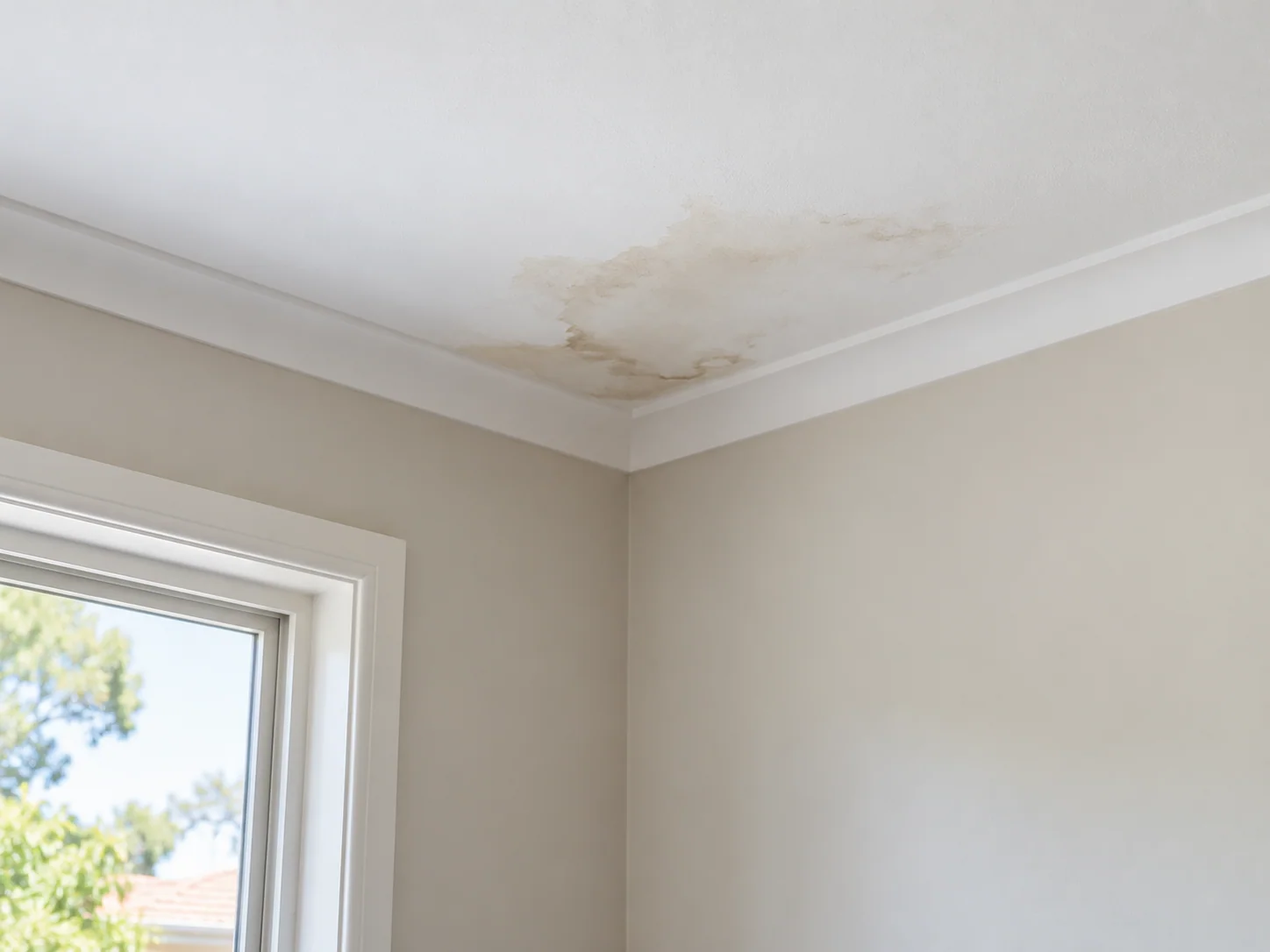
Send the stain, a ground-level shot of the valley or the hip if you can see it, and a note about large trees. Mention terracotta if you know it. Do not climb a wet, shaded valley to fetch a photo. Those are the surfaces that are slippery for a reason. Roof Revival Melbourne will get up there, separate the leaf from the hole, and write a repair that matches the age of the tile. The trees can stay. The path should not.
Typical inspect-to-scope process
- 1. Note shade, trees, and whether the tile is terracotta or concrete
- 2. Inspect valleys, ridges, and any chimney on the older houses
- 3. Separate overflow from a holed tray or a cracked run
- 4. Repair that path, or restore or replace if the field says so
- 5. Handover photos of the joint, not only of the canopy