Key takeaways
- Boronia sits against the Dandenong Ranges. Roofs here are often steeper than a Rowville estate hip, more shaded, and more likely to take weather side-on.
- Dorset Road and the streets climbing toward the basin and the national park are not flat eastern brick-veneer in the Glen Waverley sense.
- Start with the stain and work uphill. In the roof space, a wet track on sarking or a dark rafter points at a bay.
General guidance for Melbourne roofs. The written scope after an assessment decides the work.
The short version
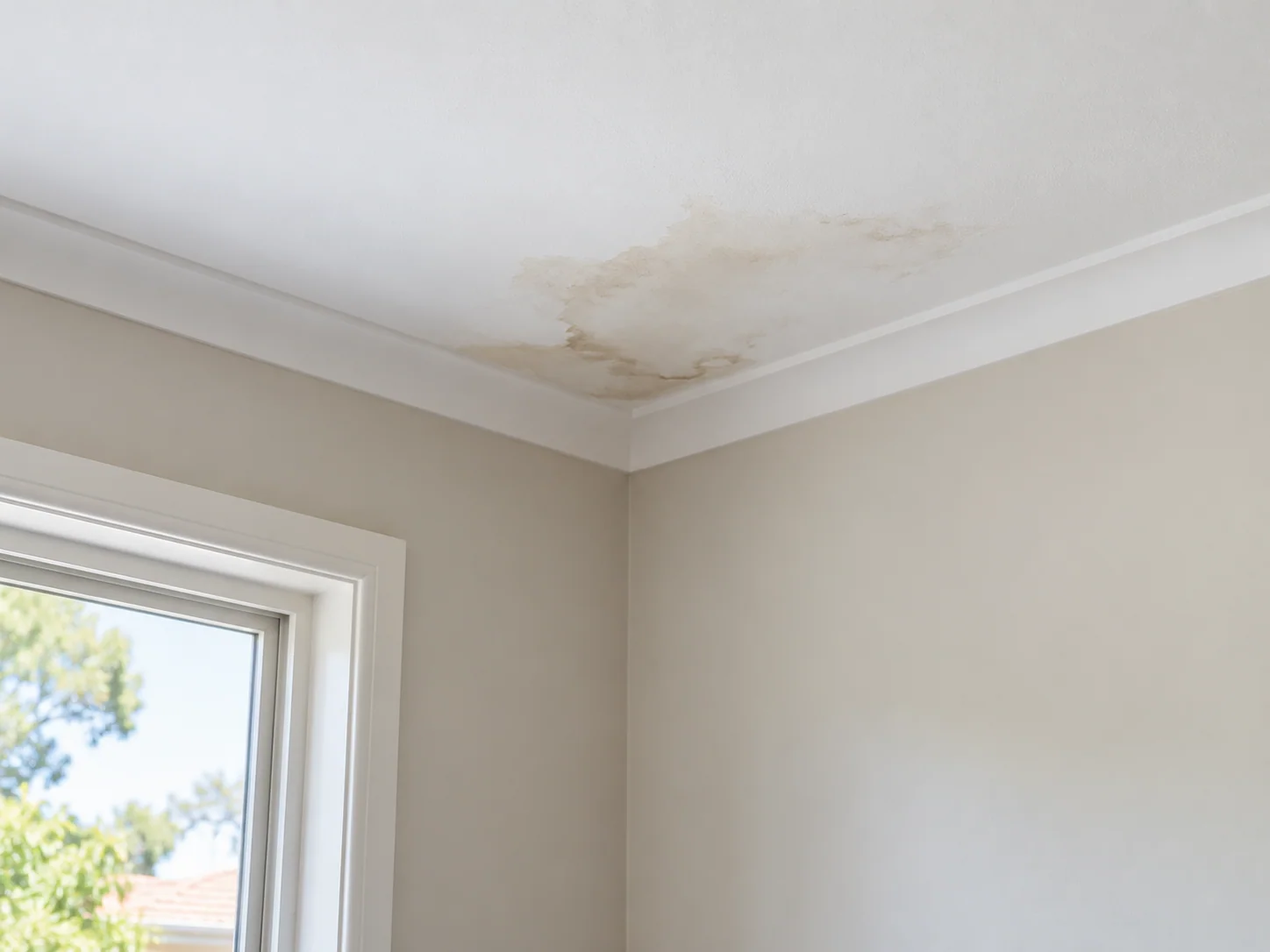
Boronia sits against the Dandenong Ranges. Roofs here are often steeper than a Rowville estate hip, more shaded, and more likely to take weather side-on. The call is a ceiling stain after a night of wind and rain. The scope that matches that call is a repair: find the entry, fix the junction, replace the tiles that are actually open, and stop. A restore is a different product, used when the bedding and the face have failed across the roof and the tile body can still carry it.
The job this article points to is roof repairs Boronia. We do not publish a Boronia price list. A local repair is priced from what is open, how high it sits, and how much protection the pitch needs. If the inspect shows the whole ridge system has ended and the tile is still sound, a standard Melbourne restore is often planned around $4,000–$12,000. If the field itself has finished, replacement commonly starts around $20,000. Those bands are for those jobs. They are not the leak call.
Why the foothills change the leak
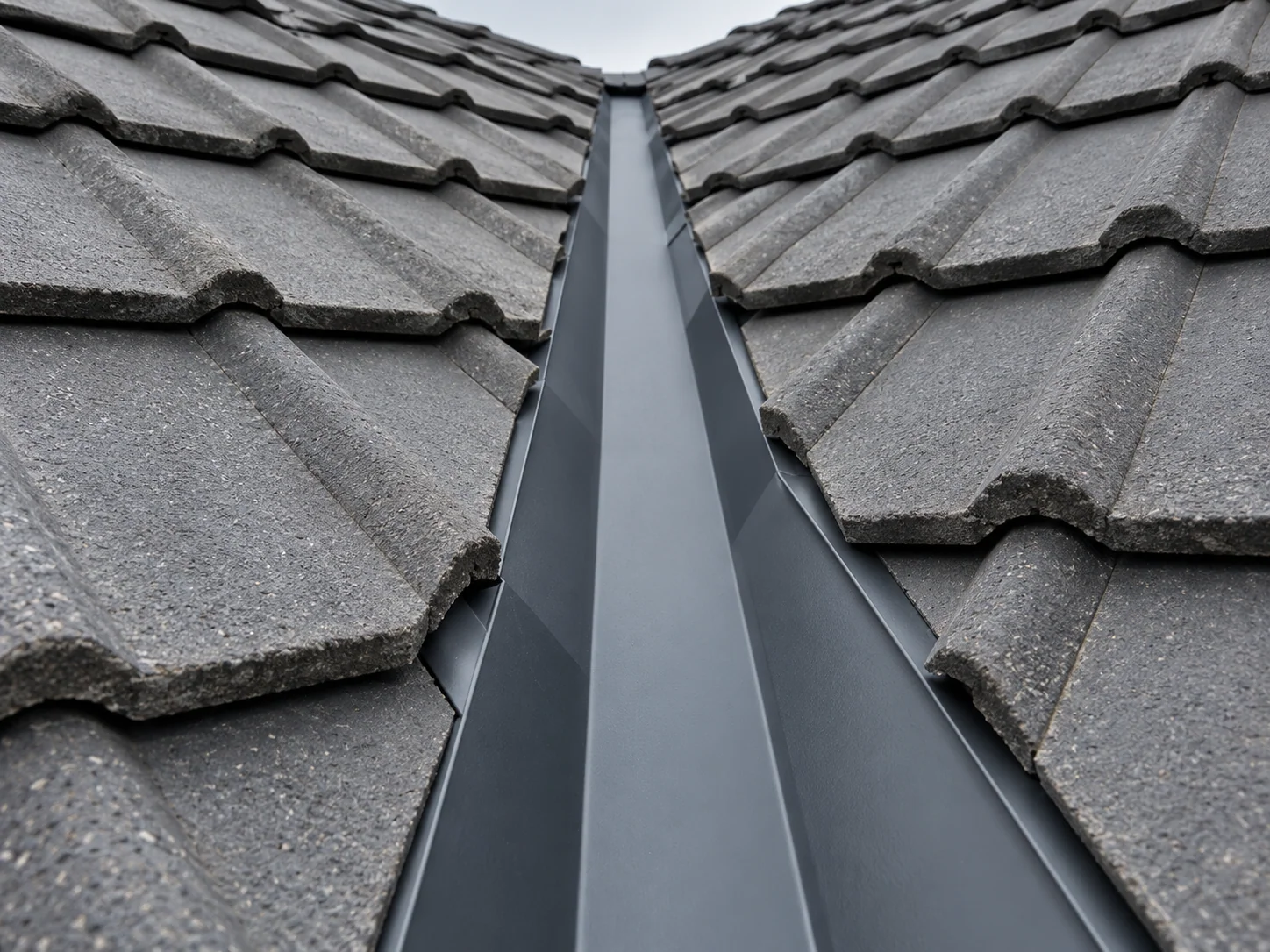
Dorset Road and the streets climbing toward the basin and the national park are not flat eastern brick-veneer in the Glen Waverley sense. Pitch sheds water faster and also drives it up under a lap when the wind is from the ranges. Valleys are shorter and busier. They fill with gum litter, then hold water against the steel and the tile nose. Apron flashings on chimneys and on split-level walls take that same wind. A cap that is only slightly open on a low hip in the middle east can be a real entry on a Boronia gable.
The housing mix is wider than one estate era. Older weatherboard and brick sit beside later concrete-tile homes. Some lids are terracotta. Some are concrete. A few newer houses are metal. The repair method follows the material in front of us. A concrete nose and a terracotta Marseilles lap do not take the same replacement unit, and they do not fail in the same decade. Saying “Boronia roof” without saying which tile is how quotes become fiction.
Shade is the other constant. South and east planes under canopy stay damp. Moss follows. Moss is evidence of moisture and light, not a diagnosis. The leak beside it might be a cracked tile the branch dropped last winter, a valley that has rusted under the leaf, or a ridge on the windward end. We clear enough to see the fault. We do not sell a green roof as the scope.
What belongs on the repair scope
Start with the stain and work uphill. In the roof space, a wet track on sarking or a dark rafter points at a bay. On the roof, that bay is checked for a slipped tile, a cracked unit, a hole at a pipe, or a valley discharging into the course. Foothills access is part of the scope: ladders on a slope, and sometimes more than a ladder if the eaves are high or the ground falls away. A price that pretends the roof is a flat court will either grow or it will smear the repair from the wrong angle.
Valley irons that have rusted through are a repair line, not a coating extra. Tile laps that have been blocked by litter so water jumps the valley are a clearing and a reset, then a look at whether the steel remains. Flashings that have lifted at a chimney or a wall are dressed or replaced for that length. A short run of ridge pointing that has blown on the weather end is re-bedded for that run if the rest of the ridge is still tight. Writing “repoint the entire roof” because one end failed is how a repair quote becomes a restore without saying so.
Broken tiles are counted. A limb across a Boronia roof can take a dozen units and leave the field hard. Those units are replaced with a profile that matches closely enough to shed water and not announce itself as a patchwork if the street can see it. If the surrounding tiles crumble as we lift them, the count stops being a repair allowance and becomes a condition finding. That is the moment the conversation changes. It is not the moment we keep swapping forever.
What should stay off the scope
A full coating is off the leak scope unless you asked for the face and the joints as a separate job. Painting a damp, leaf-filled foothills roof to “stop the leak” leaves the valley and the flashing exactly where they were. Owners then have a new colour and the same stain. Roof Revival Melbourne will quote a restore when the inspect supports it. We will not staple it to a Saturday leak so the invoice looks complete.
Gutter overflow is also easy to mis-scope. Foothills downpipes block with leaf. Water spills back under the eaves and stains a ceiling that looks like a tile leak. If the tiles above that corner are tight and the trough is the dam, the repair is the gutter path. We say that. Charging for tiles that were never open is not thoroughness. It is a wrong list.
A previous silicone smear along a hip is a clue, not a finish. Silicone over a hollow bed cracks again in the next hot week. If we are there for that hip, the bed is rebuilt for the failed length. The rest of the roof is inspected so you know whether that length was the exception. You should be able to read the page and see the exception.
When the foothills leak is no longer a repair
If ridges have powdered along every hip, the face has failed, and the tile is still hard, you are looking at restoration, not another local patch. The Melbourne planning band for that standard job is about $4,000–$12,000, then pitch and access in Boronia move it. If tiles snap, sarking is wet across several bays, or battens have started to go, replacement is the honest product, commonly from about $20,000 before the foothills complications of fall and height. We do not keep a repair open as a kindness while the field is finished.
Steep pitch also changes safety and time. A repair on a high gable is still a repair, but it is not a ten-minute tile swap quoted as if the house were single-storey on the flat. We write height in the scope so you can compare it with a quote that left height out. The cheaper page that cannot be done safely is not the cheaper repair.
What to send before the visit
Say Boronia, and say whether the house sits up toward the ranges or on the lower streets. Storeys, a photo of the stain if you can take one inside, and a photo of the roof slope above it. Mention the last wind-and-rain night, any tree that touches the lid, and whether a valley runs into that corner. If someone has already silicone-patched it, say that too. Roof Revival Melbourne will scope the entry first. The full face of the roof is a second decision, made after the water path is known.
Foothills leaks reward a short, accurate list. They punish a suburb package. The tile, the pitch and the junction decide the repair. The postcode only explains why those three show up together so often.
Typical inspect-to-scope process
- 1. Trace the stain in the roof space
- 2. Open the valley, flashing or ridge that feeds it
- 3. Count only the tiles that are part of the fault
- 4. Price access for the pitch, not for a flat estate
- 5. Say clearly if the roof has outgrown a repair