Key takeaways
- Storm week in Melbourne fills every roofer’s phone with wet ceilings and a wish for an instant new roof.
- Cover an opening over a lived space. Missing tiles where you can see the gap from the yard.
- The scope is the list you can defend in daylight. Which tiles cracked or left, and whether the field around them is hard.
General guidance for Melbourne roofs. The written scope after an assessment decides the work.

A tarp is a pause, not a diagnosis
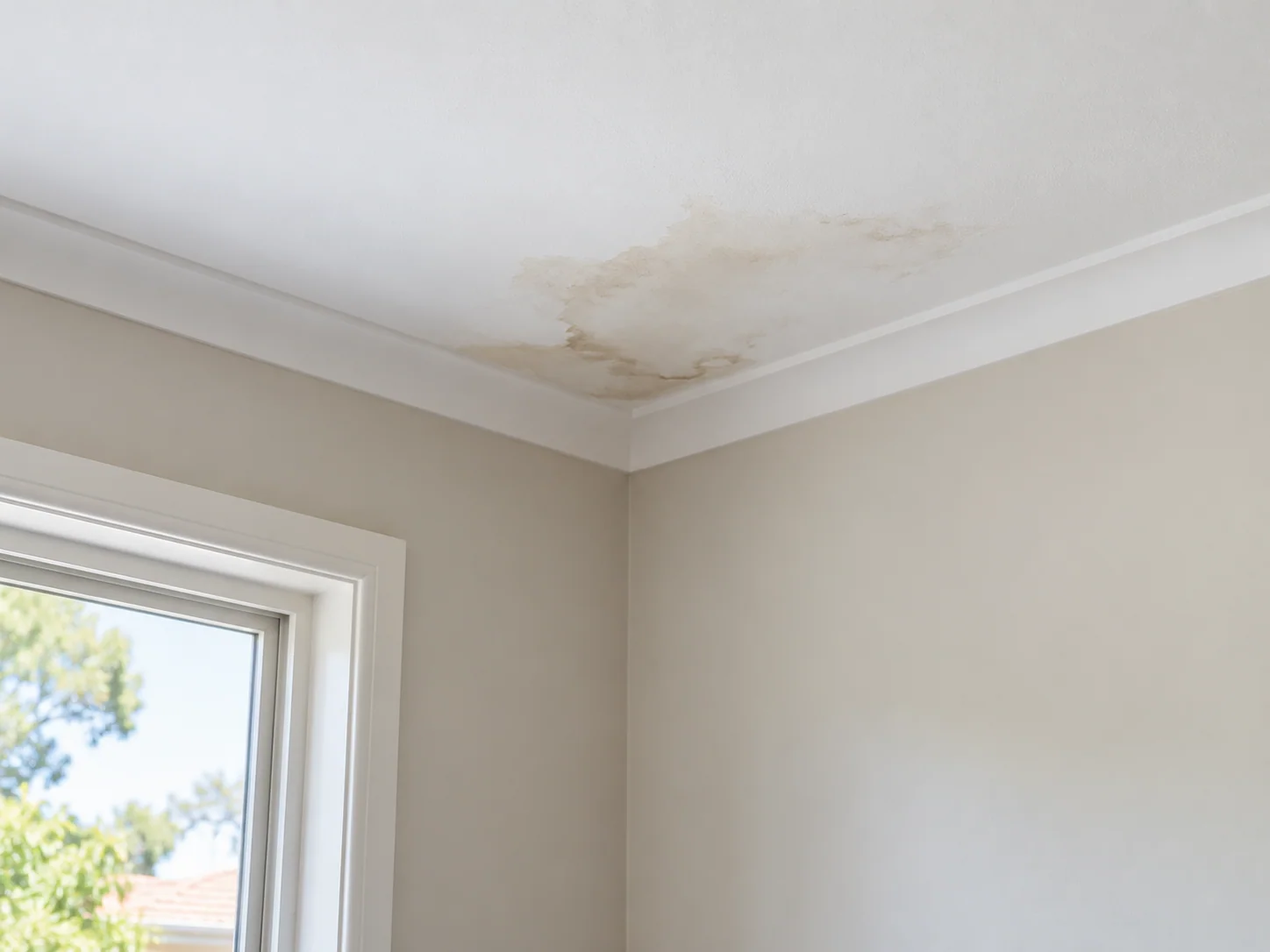
Storm week in Melbourne fills every roofer’s phone with wet ceilings and a wish for an instant new roof. The roof usually needs something narrower first. An opening is letting water in. That opening needs a temporary cover if it cannot be repaired before the next cell, and it needs a scope when someone can see the rest of the roof without being blown off it. Roof Revival Melbourne separates those two acts on purpose. Mixing them is how a tarp invoice becomes a restore you did not inspect, or how a family waits for a “full quote” while the bedroom ceiling sags.
The repair work, once the roof can be walked, is roof repairs in Melbourne. The cover is what keeps the house tolerable until that repair is real. We will not write a method here for fitting a tarp yourself. Wet tiles, wind, and a household ladder are how storm week becomes a fall. From the ground, tell us the suburb, the storeys, which room is wet, and whether tiles, sheet or a ridge cap are on the ground. That is enough to judge whether the first visit is a cover, a repair, or both if the weather actually allows the repair.
What should be covered
Cover an opening over a lived space. Missing tiles where you can see the gap from the yard. A sheet that has lifted or peeled at a lap. A skylight whose surround is suddenly a waterfall. A valley that is overflowing into the roof because it is blocked or split, if the symptom is water inside rather than a noisy downpipe. A ridge line that has lost caps and is dripping into a room. Those are tarps, or an immediate repair if the roof is safe and the part is small enough to close properly on the same visit. The test is simple. Is water getting into the building through a place we can point at. If yes, that place is the cover. The rest of the roof is not automatically in the same sentence.
A cover has to be secured by someone who can work that roof in those conditions, and it has to be understood as temporary. It will not re-bed a hip. It will not replace a valley. It can tear, pond, or hide the next leak if it is left for months and everyone calls the job done. When we put a cover on, the note should say what it is protecting and that the scope is still outstanding. If the weather breaks and the same visit can replace the missing tiles or refix the sheet, we will do the repair and skip the fiction of a tarp that stays up all spring. The point is the opening closed. The method follows the weather, not a preference for plastic.
What usually does not need a tarp: a stain that is old and dry, a gutter that is noisy but not entering the eaves, a ridge that looks tired from the street while the ceiling is dry, and a wish to “just cover the whole thing until we decide.” Covering a whole sound roof because the suburb had a storm treats every plane as an opening. It also stops a proper look. Tarp the path. Leave the sound planes readable.
What should be scoped
The scope is the list you can defend in daylight. Which tiles cracked or left, and whether the field around them is hard. Which hips actually opened, as against hips that were powder before the storm and still are. Which valley irons took water because they were blocked, and which are rusted through. Which flashings lifted. Whether sarking in the wet bay is a local soak or a perished sheet across the roof. Whether metal dents are holes. Storm week proves urgency. It is a poor place to decide a coating system, a full re-bed of every hip, or a replacement, unless the failure is already obvious in the hand.
Scope those items when the roof is safe to walk and the ceiling has stopped being the only evidence. Water travels. The wet room may not sit under the failed valley. A scope written from the room alone will repair the wrong plane and tarp the right one by accident. We want the path, then the list. The list should separate storm damage from maintenance the storm made you notice. Both can be real. Both should be labelled. A powdered ridge that did not start on Tuesday does not belong in a sentence that says the storm destroyed the roof. It belongs in a restore or ridge scope you can choose with a dry head.
Gutter replacement, solar, and painting are almost always scope items rather than tarp items. A gutter that is pouring into the fascia and then into the wall can be urgent. A gutter that is full of leaves is a clear, then a decision. Solar that survived is not part of the cover. Solar with a flashing that is now a hose is part of the opening, and the electrical isolation is a named trade, not a side task for whoever is holding the cover. We will not fold those into a single storm-week lump sum headed “make good.” You should see the opening, then the other lines.
How storm week should feel as a booking
The week will have more wet ceilings than spare dry hours. A honest response names what we can close and what has to wait until the roof is workable, instead of promising every street a full restoration before Friday. If your ceiling is actively dripping, you are in the cover queue. If your ceiling is dry and you are anxious because the news showed hail two suburbs away, you are in the inspection queue. Both are legitimate. They are not the same visit. Treating them as the same is how the dripping house waits behind a quote for a roof that never leaked.
Send photos from inside the wet room and from the ground outside. Say if it is getting worse between cells. Move what you can off a bulging ceiling and catch water in a bucket as a floor protection. That bucket is not the repair and it is not a reason to open the manhole and go exploring through soaked insulation. If plaster is sagging, stay out from under it. We do not need a hero. We need the address and the symptom.
When we can get there, expect the first outcome to be small and written. “Covered the missing tiles over the north bedroom. Scope to follow for the west valley and a count of cracked units.” That sentence is a success in storm week. A sentence that says “full restore, start when we can” with no cover on an open roof is a brochure delivered to a wet room. Roof Revival Melbourne will not use the weather to skip the list. We also will not use the list as a reason to leave the opening open.
After the week, the scope gets to be boring
When the cells have passed, the temporary cover comes off only because the repair is happening, not because the plastic looks untidy from the street. Then the ordinary rules return. A local tile repair stays a repair if the field is sound. Ridges that failed as a system become their own scope. A finished field becomes a replacement conversation with photos. Coatings wait until the face is ready and the cracks are not still hiding. The storm does not create a third product called “storm special” in which the lines are allowed to be vague.
Read that later quote the same way you would read any other. What was seen. What was the opening. What is included now. What is excluded. If a tarp was charged, it should be a line, and the repair should not assume the tarp was the work. If an insurer is in the conversation, the page should describe openings and pre-existing faults separately. We will write what the roof did. We will not inflate a leaf-blocked valley into a destroyed roof because the week was noisy.
Owners sometimes want every tired thing done while the fright is fresh, and sometimes want the absolute minimum so the fright can be forgotten. Both impulses are human. The scope is there so the fright does not sign the page. Cover what is letting water in. Inspect what the storm moved. Decide the older maintenance when you can see it. That order keeps storm week from selling you a roof you did not look at, and it keeps a true opening from waiting on a committee. The weather will be back. The opening should not be.
Typical storm-week split
- 1. Name the wet room and stay off the roof
- 2. Cover the opening that is letting water in
- 3. Repair immediately if the roof is safe and the fault is local
- 4. Scope ridges, valleys, tiles and flashings in daylight
- 5. Write storm damage and older faults as separate lines