Key takeaways
- Stand in the roof space, safely, at the manhole, and look toward the mark on the ceiling.
- A washer is a small seal. Ultraviolet light and heat harden it.
- Someone has to be on the roof. Photos of a ceiling are the reason to book the inspection, not the scope.
General guidance for Melbourne roofs. The written scope after an assessment decides the work.
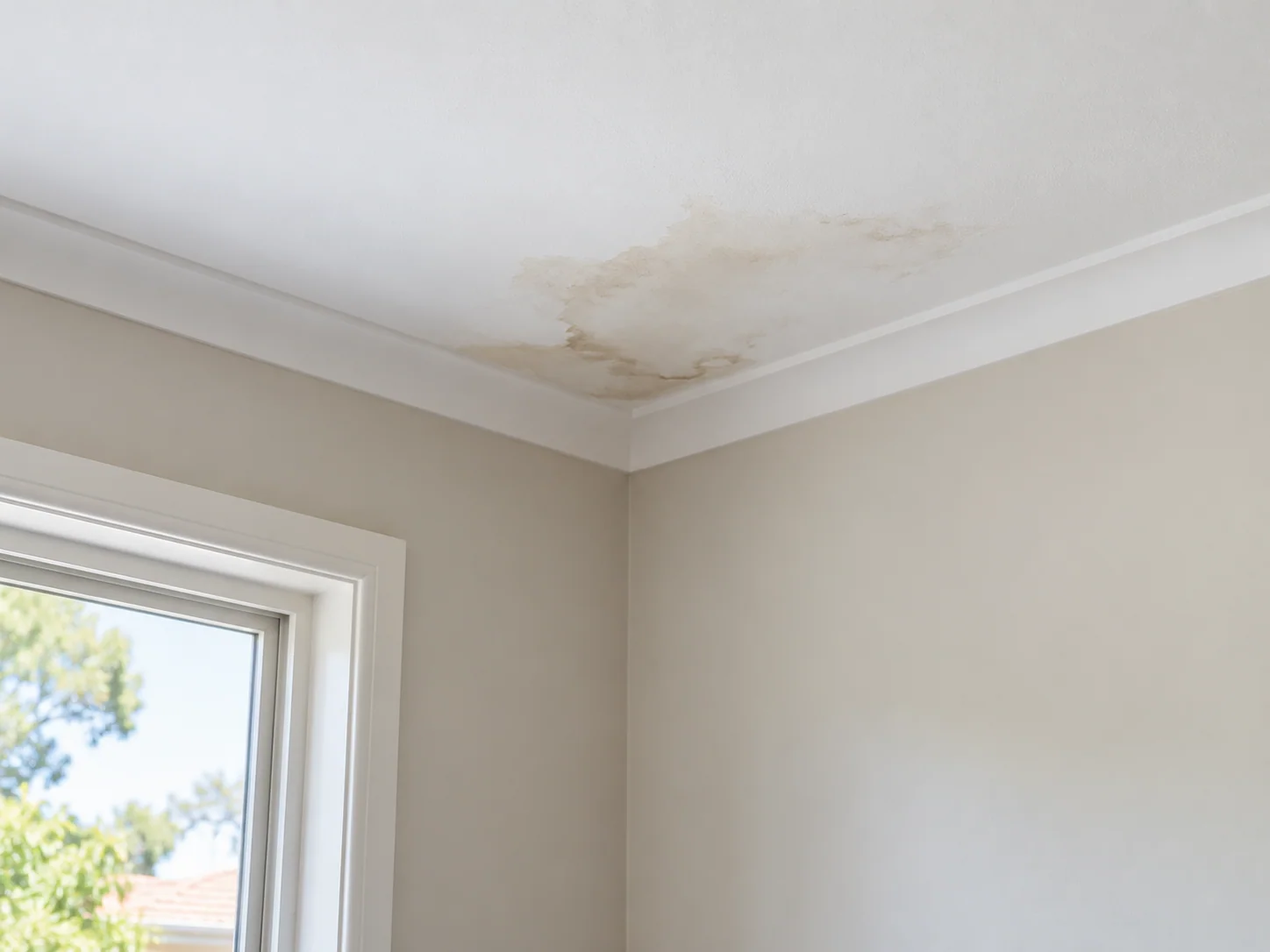
The stain lines up with the fixings
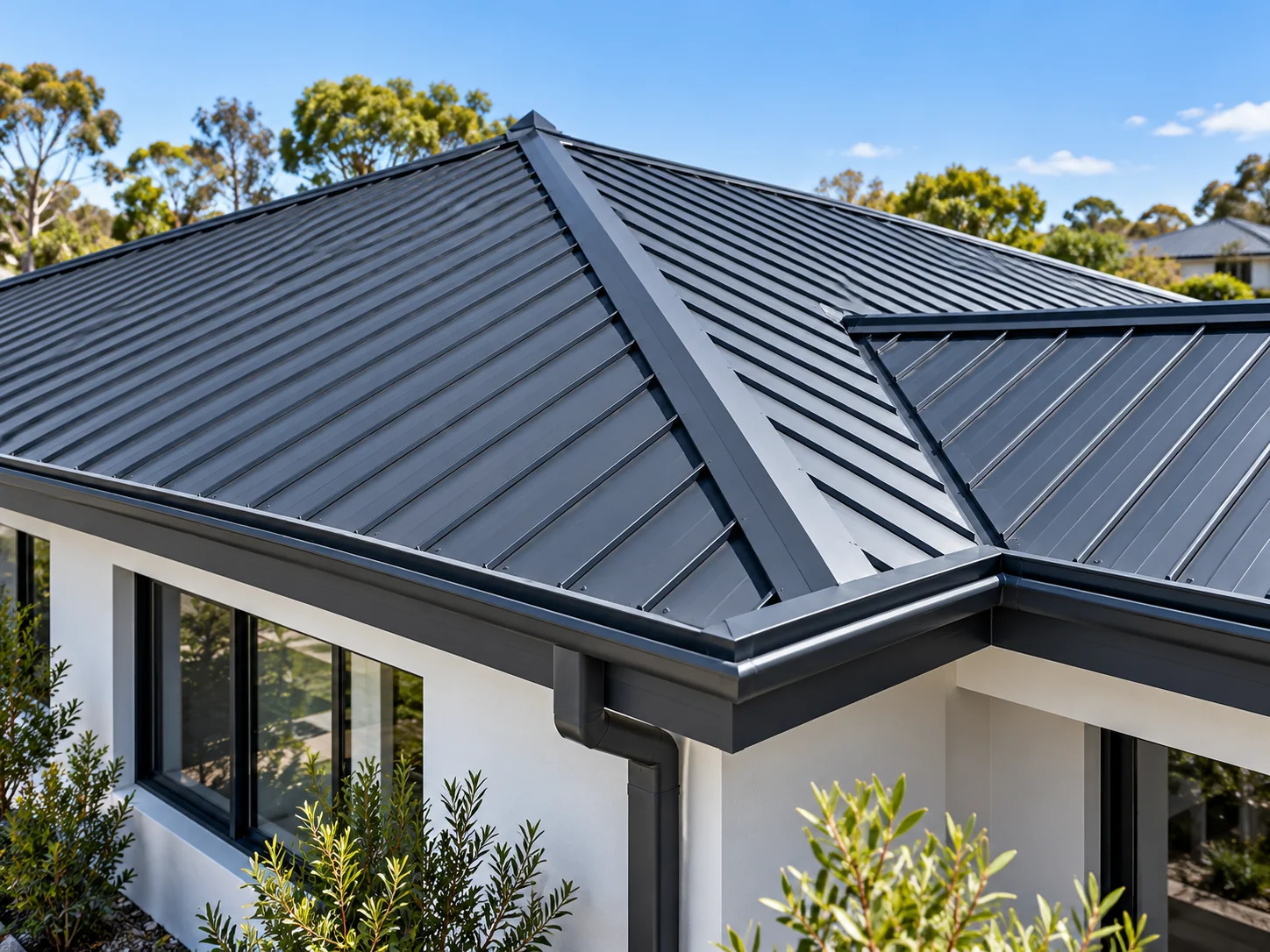
Stand in the roof space, safely, at the manhole, and look toward the mark on the ceiling. On a screw-fixed metal roof the damp timber or the drip often sits under a row of fasteners, not under the centre of a pan. Outside, that same row shows freckles of rust at the heads, washers that have flattened or cracked, or screws sitting proud of the sheet because they no longer bite. That pattern is what we expect on Colorbond and on other pierced sheets from the 1990s onward, and on older corrugated roofs that were screwed rather than nailed. The sheet can look respectable from the driveway while this line has been weeping for a season.
Roof Revival Melbourne treats that as a repair until the steel says otherwise. The work sits with roof repairs in Melbourne. A full replacement is the wrong first sentence if the only failure is the fixing. A coating over the same screws is also the wrong sentence. Paint does not remake a washer. If someone has already sprayed the roof and the screws were left, the leak you have now may be the leak they painted around.
The first things an owner usually notices are smaller than the roof. A brown ring on a screw head. A white crust where water has dried. A single damp patch after wind-driven rain, then a dry week that makes the patch seem finished. Wind-driven rain is the test that finds a tired washer, because water is pushed uphill under the head. A still drizzle may not show it. That is why a roof can be “checked” in fine weather and leak on the next front.
What the screw is telling you
A washer is a small seal. Ultraviolet light and heat harden it. Once it cracks, water sits around the shank and the hole in the sheet becomes the entry. Over-tightening at the original install squashes the washer so it fails early, often in a neat line where one operator used the same heavy hand. Under-tightening leaves the seal loose from day one. A screw that has missed the batten, or spun because the timber is soft, cannot be tightened into a seal no matter how new the washer is. Those are different faults. They can share one ceiling stain. The inspection has to separate them, because the repair is not the same.
Rust at the head is a clue, not always a verdict on the whole sheet. On a bayside roof, from Williamstown through Seaford, salt gets into that head years before an inland roof in Reservoir or Bundoora shows the same age. The shank can rust where it passes through the sheet, enlarging the hole. Inland, the more common early sign is a perished washer on a north or west face, where the sun cooked the rubber, with the sheet itself still continuous. Western dust does not cause the leak, but it hides the early freckle until the stain inside is obvious.
Screws on laps and at the ends of sheets work harder than screws in the middle of a pan. So do screws under a spreader, beside a skylight, and on a low pitch where water travels slowly and sits. If only those positions fail, the repair can be local. If every row on a plane has hardened washers, the honest repair is the whole plane’s fixings, not the three you can see from the gutter. Partial optimism is how the next row leaks the following winter.
What a proper fixing repair includes
Someone has to be on the roof. Photos of a ceiling are the reason to book the inspection, not the scope. We look at a sample of screws across each plane, not only the wet side, because the dry side may be a season behind. We check that a new screw will hold in the batten. We look at laps, lead or metal flashings, and the valleys, so a screw repair is not blamed later for a split flashing. The written scope says which planes, whether washers and screws are renewed, and what happens if a batten is soft. It does not say “reseal roof” as a single line. That phrase has covered a lot of silicone that did not last the next hot week.
We will not describe how to change the screws yourself. Walking a metal roof, picking the right fastener, and knowing when the timber will not hold, is the trade. A dab of sealant around a head is the usual home attempt, and it is the attempt we keep finding cracked on the north face. If the sheet around the hole is already eaten out, a new screw in the same hole is not a repair. That area needs a proper detail, or the sheet is leaving the repair category. We say which, on the roof, before anyone buys a box of fasteners and hopes.
When the screws are only the first chapter
Failed screws plus continuous sheet is a repair. Failed screws plus pinholes at the eaves, rusted-through laps, or a previous coating that is lifting, is a roof that may be finished. The screws were the early warning, and the warning was missed. Replacing every washer on lace-thin steel spends the repair money on a roof that will hole somewhere else. We will say so. We will also say so if the leak is not a screw at all: a split ridge cap, a skylight flashing, an overflow from a gutter that is wetting the eaves and tracking in. Screw language should not be used to explain every damp ceiling under a metal roof.
Condensation can imitate a leak. A winter ceiling stain under a poorly ventilated metal roof may be moisture from the room condensing on a cold sheet, not a washer. The difference matters, because new screws will not stop house moisture. If the stain has no path from a fixing, and the underside of the sheet is wet without rain, say that plainly. Do not sell a fastener job for a ventilation problem. Do not ignore fasteners because condensation is also possible. Both can be true on the same roof, on different planes.
Salt, sun and the age you can see
A fifteen-year-old roof in a salt suburb can need fixings while the colour still looks even. A twenty-five-year-old roof in a sheltered northern street might show chalk on the coating and only scattered washer cracks. Age is a clue. Exposure is the better one. North and west faces go first for ultraviolet. Eaves and cut edges go first for rust. The side that faces the bay goes first for salt. When we write the scope we name those faces, so you are not paying to “do the roof” in a way that leaves the weather side for next year.
New washers age in the same sun and the same salt. Doing them together, while the sheet is sound, resets the usual leak path in one visit. If a new stain appears, call while the plaster is still firm.
What we want from you before the visit
The suburb, the storeys, and whether the stain appears in wind or in any rain. A photo of the ceiling mark and, if you can take it from the ground, a photo of the screw rows on that side. Do not climb. We will say whether this looks like a fixing repair, a detail beside the screws, or a roof that has moved past repair. The answer is allowed to be smaller than a new roof. It is also allowed to be larger than a tube of sealant. The screw line is simply where Melbourne metal roofs usually start the conversation.
How a screw leak is scoped
- 1. Match the ceiling stain to a plane and a fixing line
- 2. Check washers, bite and the sheet around the holes
- 3. Rule out flashings, valleys and condensation
- 4. Quote the planes that actually need new fixings
- 5. Stop and widen the scope if the steel is holed