Key takeaways
- Hail in Melbourne is usually a short, violent visit and then a week of people staring at the ceiling.
- Water that is already entering a room cannot wait for a tidy schedule.
- Surface marks can wait. A Colorbond roof that is dented and still continuous, with fixings seated and no hole, is often a record for the insurer and a condition note, not an emergency re-roof.
General guidance for Melbourne roofs. The written scope after an assessment decides the work.

The next rain is the real deadline
Hail in Melbourne is usually a short, violent visit and then a week of people staring at the ceiling. The roof does not care about the drama. It cares whether a tile is cracked, a sheet is holed, or a ridge has opened, and whether the next cell will use that path. Roof Revival Melbourne sorts the roof into what has to be made watertight and what is only a mark. The sort is an inspection. It is not a conclusion you reach from the noise, from a neighbour’s new roof, or from a photo of ice on the lawn.
When the finding is broken units, a pierced sheet, or a detail the hail opened, the work sits with roof repairs in Melbourne. A handful of cracked concrete tiles on a hard field is that kind of job. So is a flashing that lifted. A bruised field of soft tiles, or metal that is holed across the laps, may be the start of a replacement conversation instead. We do not upgrade every hail event into a new roof, and we do not leave an open tile because the ceiling has not stained yet. Sarking can hold a trickle until the next storm makes a liar of a dry plasterboard.
What cannot wait
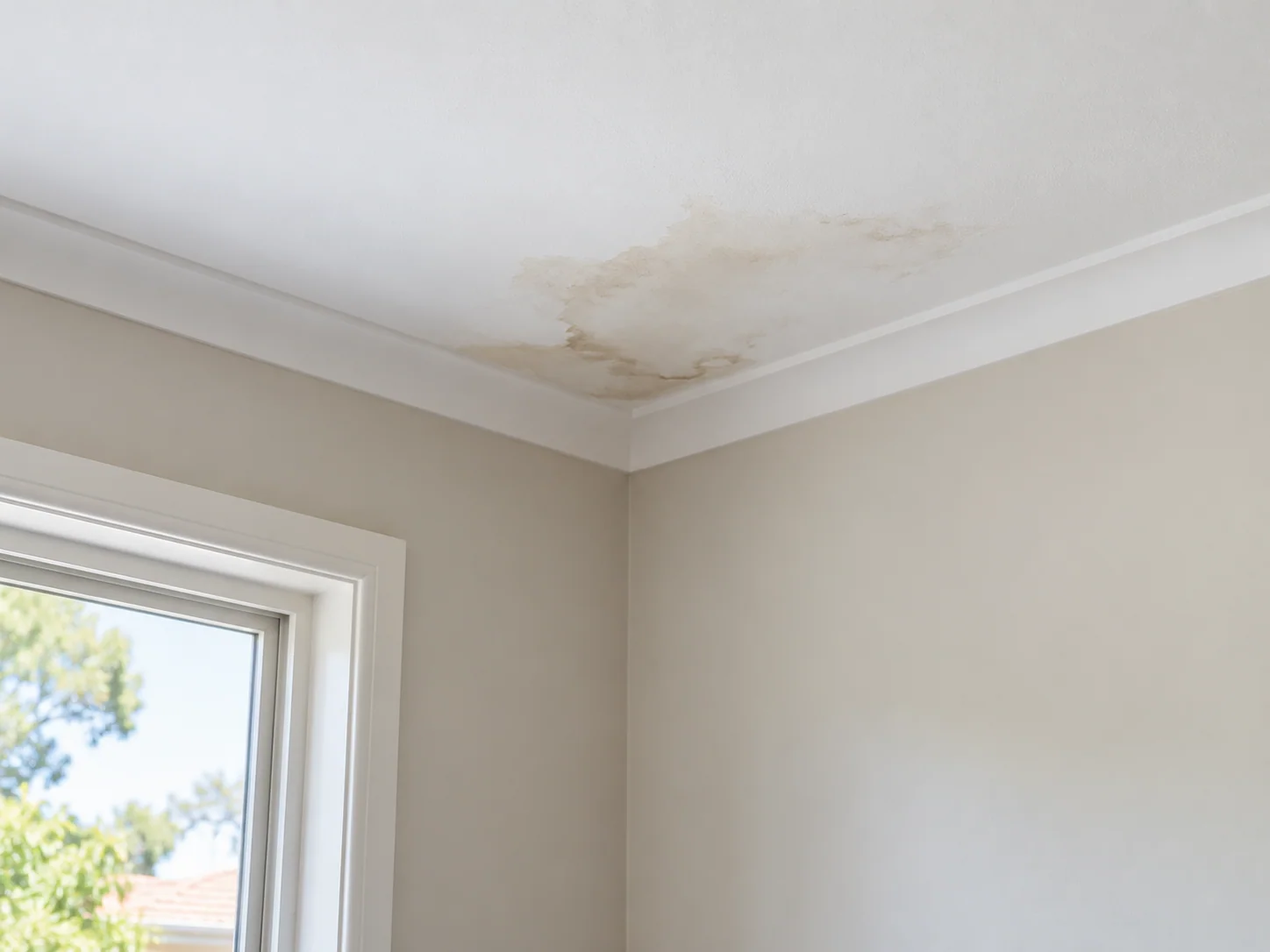
Water that is already entering a room cannot wait for a tidy schedule. Neither can a tile you can see missing from the ground, a ridge cap on the lawn, or daylight you can see from a safe place at the manhole. Those are openings. They need a proper temporary cover if the repair itself cannot happen before the next rain, and then they need the repair. We arrange that cover as trade work. We do not want you on a wet, hail-damaged roof with a tarp and a hope. Tell us which room is wet, send a ground photo, and stay off the tiles.
Cracked tiles that are still sitting in place cannot wait as casually as people think. A crack may not drip today and can still be a path when wind drives rain up the lap. On concrete tile across the eastern suburbs, hail often breaks the nose or puts a star crack through a unit that looked fine from the path. On terracotta, it chips and sometimes cracks units that were already brittle. The count matters. Ten broken tiles over a sound roof are a repair with a tile allowance. A pitch you cannot walk without more of them letting go is not a repair you should coat and forget. We need to see the difference on the roof, not from a passing car.
Metal that is pierced cannot wait. A dent is not a pierce. A hole in a pan, a screw line that has opened, a lap that hail has kicked up: those take water. Skylights and solar feet are favourites, because the hail hits the fitting as well as the sheet. If the ceiling under a skylight is wet, that detail is in the urgent group even if the rest of the roof looks calm. Valleys blocked with leaf and hail debris can overflow into the roof space on the next rain even when no tile broke. Clearing a valley that is dumping water inside is urgent. A valley that is ugly and still flowing can be scoped with the rest.
What can wait
Surface marks can wait. A Colorbond roof that is dented and still continuous, with fixings seated and no hole, is often a record for the insurer and a condition note, not an emergency re-roof. Fade, scuffs, and dents that annoy you from an upper window do not become leaks because they are visible. Replacing a sound sheet to cure a dent is a choice about appearance. It should be made after the waterproofing is confirmed, not instead of that confirmation. We will say when a dent is only a dent.
A full restore can wait if the roof is dry and the only hail result is a short list of broken units. Ridges that were already powder before the storm are still a restore conversation, and they are not more urgent than an open tile just because the storm made everyone look up. Do the openings. Then decide whether the hips were a pre-existing job the hail happened to interrupt. Coating a roof the week after hail, before anyone has counted cracks, locks the broken units under a new colour. That is the job that should wait. Colour is not the thing the next rain is looking for.
Gutters full of granules, leaves and broken tile bits look catastrophic and are often a clean, not a new gutter. If the gutter is bent, split, or overflowing into the eaves, it moves up the list. If it is merely full, it should be cleared so the next rain has a path, and the roof above it should still be inspected. A clean gutter under cracked tiles is not a finished hail visit. It is one line. The tiles remain the question.
Tile hail and metal hail are different sorts
On tile, walk the field only if you are the trade, and look for cracks at the nose, the corner and through the body. Look at ridges, because a cap that was marginally bedded can be displaced without the field looking dramatic. Look under a few broken units at the sarking. One afternoon of hail on a hard Glen Waverley or Ringwood concrete roof can be a tray of replacement tiles. The same afternoon on an old, soft terracotta roof in the inner east can be the day you stop talking about repairs, because the units were already finished and the hail only made it obvious. The photos of the body decide. The storm does not.
On metal, look close. Wide shots of a grey roof after hail prove that the roof is still grey. Close shots of pans, ridges, flashings and penetrations prove whether the steel was opened. Minor denting on a newer Colorbond roof in the growth corridors is common and often not a leak. Rust that was already at the screws does not become hail damage because hail fell in the suburb. We separate impact from age. A quote that replaces every sheet because a storm passed through is a replacement quote wearing a weather word. Ask to see the hole.
Mixed roofs need both sorts. A tiled main roof and a metal verandah, a new carport against an old hip, a skylight cut into either. Hail is rude to the junction. The urgent item may be the apron between them while the main field is intact. Scope the junction. Do not let the intact field talk you out of the wet room underneath, and do not let the wet room talk you into replacing the intact field.
Records, without turning the roof into a claim script
Photograph from the ground on the day: the roof, any tile or cap on the lawn, the wet ceiling, the time if you can. Keep those frames. If an insurer is involved, they will want a description of what broke and what is wet. Our inspection can be that description for the roof. It should match the roof. We will not add breaks that are not there, call old ridge failure a hail event, or write a replacement because a larger number would be convenient. Pre-existing powder and fresh cracks can sit on the same roof. The page should say which is which.
You do not need to inventory every tile before we arrive, and you should not try. A ground count will be wrong. An on-roof count by a householder on brittle, wet units is how a hail repair becomes an injury. Send the suburb, the storeys, whether water is coming in, and the photos you can take safely. If several streets were hit, say so. The booking may be an inspection first and a repair as soon as the openings are known. Waiting for a perfect written loss before anyone looks at an active leak is the wrong order. Stop the water path. Argue the paperwork with the facts in hand.
After the urgent work, decide the rest on purpose
When the openings are repaired or properly covered, the rest of the roof can be judged in daylight without a storm at your back. Sound tiles and a few swaps: the repair may be the whole job. Powdered hips that the hail did not cause: a restore, scoped as a restore, not smuggled into the hail invoice. A field that is now obviously finished: replacement, with the proof in photos. Gutters, solar and coatings sit in that second conversation. Rushing them into the first visit is how hail week produces quotes nobody can compare.
Ask for the sentence in writing. “Twelve cracked concrete tiles on the west pitch, ridges intact, sarking dry: repair.” “Dents to the north plane, no holes, one lifted flashing at the skylight: repair the flashing, record the dents.” “Units breaking underfoot across the front, body soft: not a repair.” Those sentences tell you what can wait. The first two let the cosmetic or the older maintenance wait. The third says the repair would be theatre. Roof Revival Melbourne will not use the hail to sell the larger product, and we will not use a dry day after the hail to ignore a crack. The next rain is patient. It only needs one path.
Typical hail sequence
- 1. Stay off the roof and note which rooms are wet
- 2. Inspect tiles, sheet, ridges, valleys and penetrations
- 3. Cover or repair openings before the next rain
- 4. Separate fresh breaks from older failure
- 5. Scope what can wait once the water path is closed